This article examines recent market fluctuations triggered by robust employment figures, the growing focus on upcoming inflation data, and potential shifts in Federal Reserve policy. It also explores the sustained dominance of AI stocks in the market, the investment challenges associated with rising borrowing costs and bond yields, and the necessity of vigilance against sudden economic shifts.
India is experiencing a new wave of gold smuggling after a substantial hike in import duties, fueled by lucrative profits in the shadow market. Illicit gold inflows are projected to exceed 100 tonnes this year, leading to a sharp decline in grey market gold prices and impacting the market share of official banks and refiners. This situation poses a significant threat to the traditional trade order and results in billions of dollars in lost tax revenue.
Pakistani government sources informed the Turkish Anadolu Agency on Tuesday that the possibility of the US and Iran reaching a peace agreement in the next few days is extremely low, owing to the complex situation, especially Israel's continuous ceasefire violations in southern Lebanon. This statement directly refutes the optimistic outlook of President Trump, who had previously suggested an "excellent and strong" deal could be reached within "two or three days."
Market sentiment points towards continued disruption in the Strait of Hormuz shipping lanes, with normalization unlikely before 2026. Kalshi data indicates only a 34% probability of a return to normal by next January, largely driven by the recent escalation between Iran and Israel. Despite this significant geopolitical shock, oil prices have remained surprisingly stable. This is attributed to innovative coping mechanisms like 'ghost shipping' to circumvent blockades and increased reliance on government and corporate inventories. However, experts caution that these short-term measures may not be sustainable, and dwindling inventories coupled with high shipping costs could lead to a sharp price surge in the coming months.
This article delves into the Bank of Japan's potential decision to pause its bond purchase reduction post-FY2027, a critical juncture for its quantitative tightening (QT) process. It examines the internal policy debates, market expectations for interest rate hikes, and the delicate balance between market stability and long-term policy normalization.
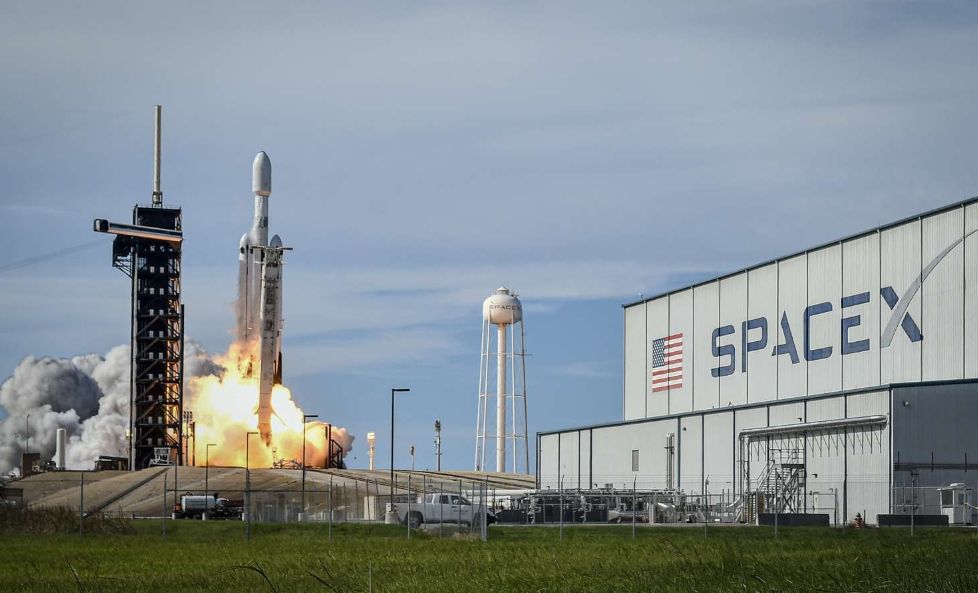
The capital markets are witnessing an accelerated race within the artificial intelligence sector. Following confidential IPO filings by both OpenAI and Anthropic, alongside SpaceX's preparations for its public offering, this article examines the current valuations, strategic objectives, and future trajectories of these leading AI entities. It highlights OpenAI's ambitious 'third phase' vision aimed at making advanced AI accessible, affordable, secure, and user-friendly, including plans for automated AI researchers, and discusses the potential influence of SpaceX's market entry on the broader AI IPO landscape.

Dow Jones futures slipped ahead of US CPI data as Middle East tensions, inflation risks and semiconductor weakness pressured market sentiment.

Oil rises as renewed US-Iran tensions and a sharp US crude inventory draws revive supply concerns, pushing Brent and WTI higher after recent lows.

Gold price today, June 10: Spot gold falls below $4,200 for the first time since March 23 as traders assess inflation, yields and Fed rate risks.
Reports have emerged of clandestine efforts by Ukrainian President Volodymyr Zelensky to open direct dialogue channels with Russian President Vladimir Putin, facilitated by the billionaire businessman Roman Abramovich. These initiatives aimed to resume high-level bilateral talks, particularly as US mediation efforts wane due to the situation in the Middle East. Kyiv believes that shifts on the battlefield, coupled with Ukraine's progress in repelling Russian advances and its long-range strikes, could create a genuine impetus for a ceasefire. However, these overtures have been met with rejection from the Russian side, which questions Ukraine's sincerity and sees the moves as an attempt to impede Russian military progress. While Zelensky confirmed Abramovich's visit and meeting, stressing Kyiv's readiness to negotiate, the Kremlin views these actions as a tactic to stall Russian advances. Significant obstacles and deep divisions persist between the two sides regarding the path and nature of negotiations, with Putin preferring discussions at the diplomatic or intelligence level and rejecting EU proposals for a special envoy, making the road to comprehensive peace fraught with challenges.
This article delves into the diplomatic endeavors spearheaded by US President Donald Trump to achieve an immediate ceasefire between Israel and Iran, following a significant military escalation. It highlights the time pressures faced by both Trump and Netanyahu due to upcoming elections and the strategic divergences between the two nations concerning Iran's regional influence, particularly regarding Lebanon. The article also examines domestic reactions in Israel and analyses of Iran's strategic intentions.
Amidst escalating US-Iran tensions, the Abu Dhabi National Oil Company (ADNOC) has opened tenders for substantial crude oil sales to Asian traders and refiners, establishing new loading points to mitigate Hormuz Strait risks. Concurrently, Qatari LNG tankers are continuing their passage through the strait, underscoring its critical importance to global energy supply chains.
Leaders from the UK, Germany, and France have publicly declared their support for Ukrainian President Volodymyr Zelensky's initiative to hold direct negotiations with Russian President Vladimir Putin, underscoring Europe's intention to play a pivotal role in this peace process. This joint statement, following a meeting in London with Zelensky, outlined critical conditions for achieving a "just and lasting peace," including an immediate comprehensive ceasefire based on current front lines, legally binding security guarantees for Ukraine, and the continued freezing of Russian assets as compensation for damages. Despite Zelensky's suggestions that Russian society is ready for peace, persistent battlefield pressures and divergent stances from both sides leave the prospects for negotiation uncertain.
US Treasury yields have surged, with markets pricing in higher-than-expected inflation driven by elevated energy prices and robust economic growth. This scenario is compelling the Federal Reserve to consider a shift towards tighter monetary policy, with increased probabilities of delayed rate cuts and even potential rate hikes. This summary delves into the analyses and forecasts surrounding the impact of upcoming economic data on monetary policy decisions.
OPEC+ has signaled further production increases starting in July, marking the fourth consecutive month of such adjustments. However, geopolitical tensions, particularly concerning the Strait of Hormuz, and the UAE's recent withdrawal from the group significantly constrain the ability of some member nations to translate nominal quota hikes into actual supply increases. Despite scheduled increases, actual output has seen a notable decline. This analysis delves into the implications for global oil prices, market sentiment, and OPEC+'s ongoing assessment of member production capacities for future policy setting.

Gold Price Today: Gold prices moved higher on June 09, with XAU/USD climbing toward the 4,350 level as investors assessed the latest signals from the Federal Reserve and broader economic conditions.

Gold Price Today: Gold prices remained resilient on June 08, with XAU/USD continuing to trade above the key 4,300 level as investors assessed the latest round of economic data and central bank expectations.

Forex Market News: The UAE forex market is experiencing a significant transformation in 2026, with trading volumes surging even as regulators introduce stricter compliance frameworks.

Stock Market Today: Global financial markets experienced a sharp wave of selling pressure today as expectations for further interest rate hikes from the Federal Reserve System continued to strengthen.
This report provides an in-depth analysis of global financial market performance over the past week, highlighting the influence of key economic indicators like the US Non-Farm Payrolls report and escalating geopolitical tensions in the Middle East. It examines currency, commodity, and bond movements, alongside equity market performance. The analysis also incorporates opinions and insights from leading financial institutions on future outlooks, focusing on central bank policies, advancements in technology and artificial intelligence, and significant geopolitical events that have shaped the financial landscape.