Silver rebounds above $70 per ounce ahead of the Fed’s Jackson Hole speech. Explore the latest XAG/USD prices, market drivers and key levels.

Apple stock rose 0.36% to $314.58 as investors weighed the September 9 iPhone event, John Ternus’s CEO transition, record Q3 results and rising memory costs.
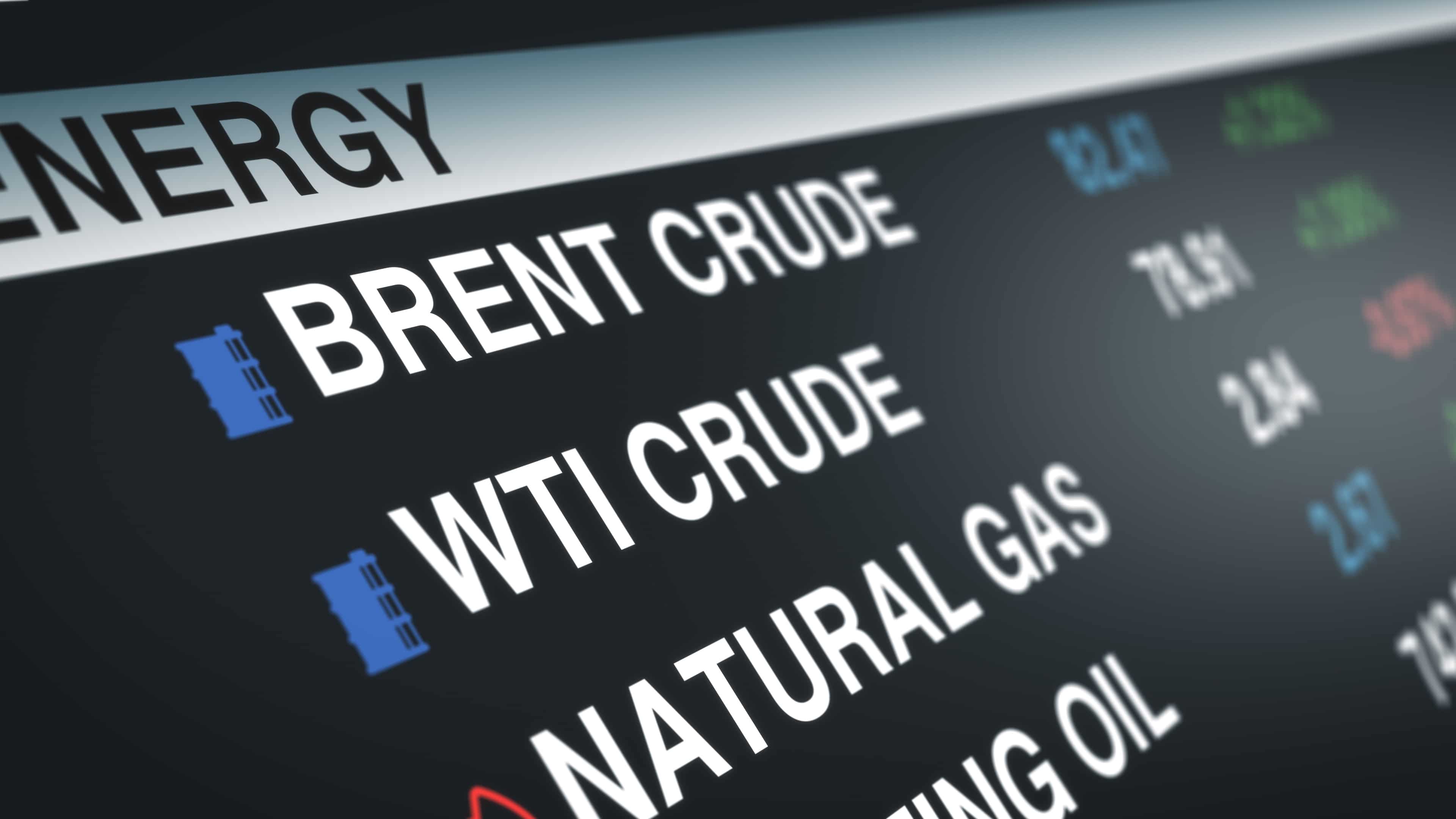
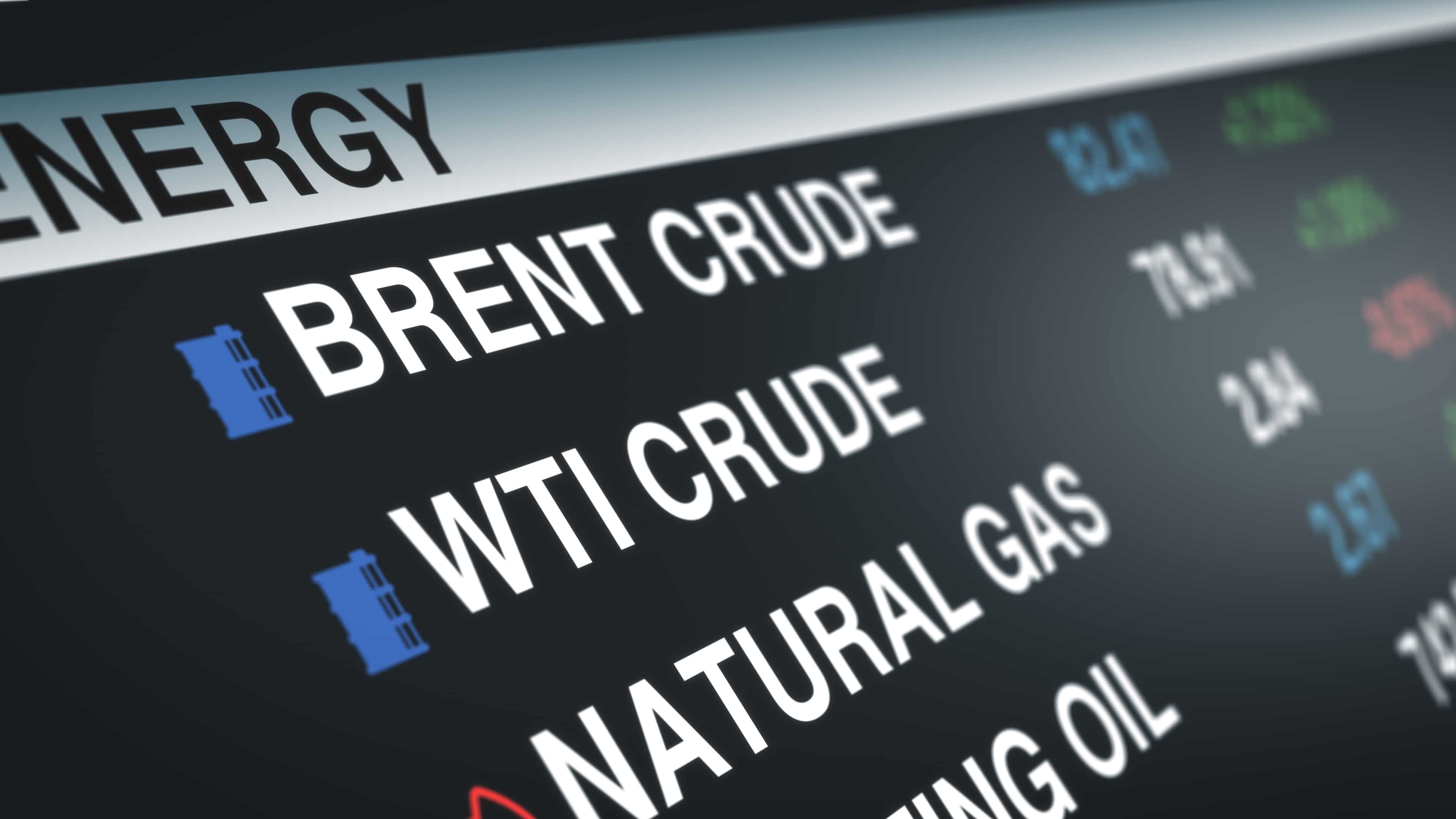
Crude oil prices extend their decline as Iran-Oman talks raise hopes of reopening the Strait of Hormuz, while US-Iran tensions keep supply risks elevated.
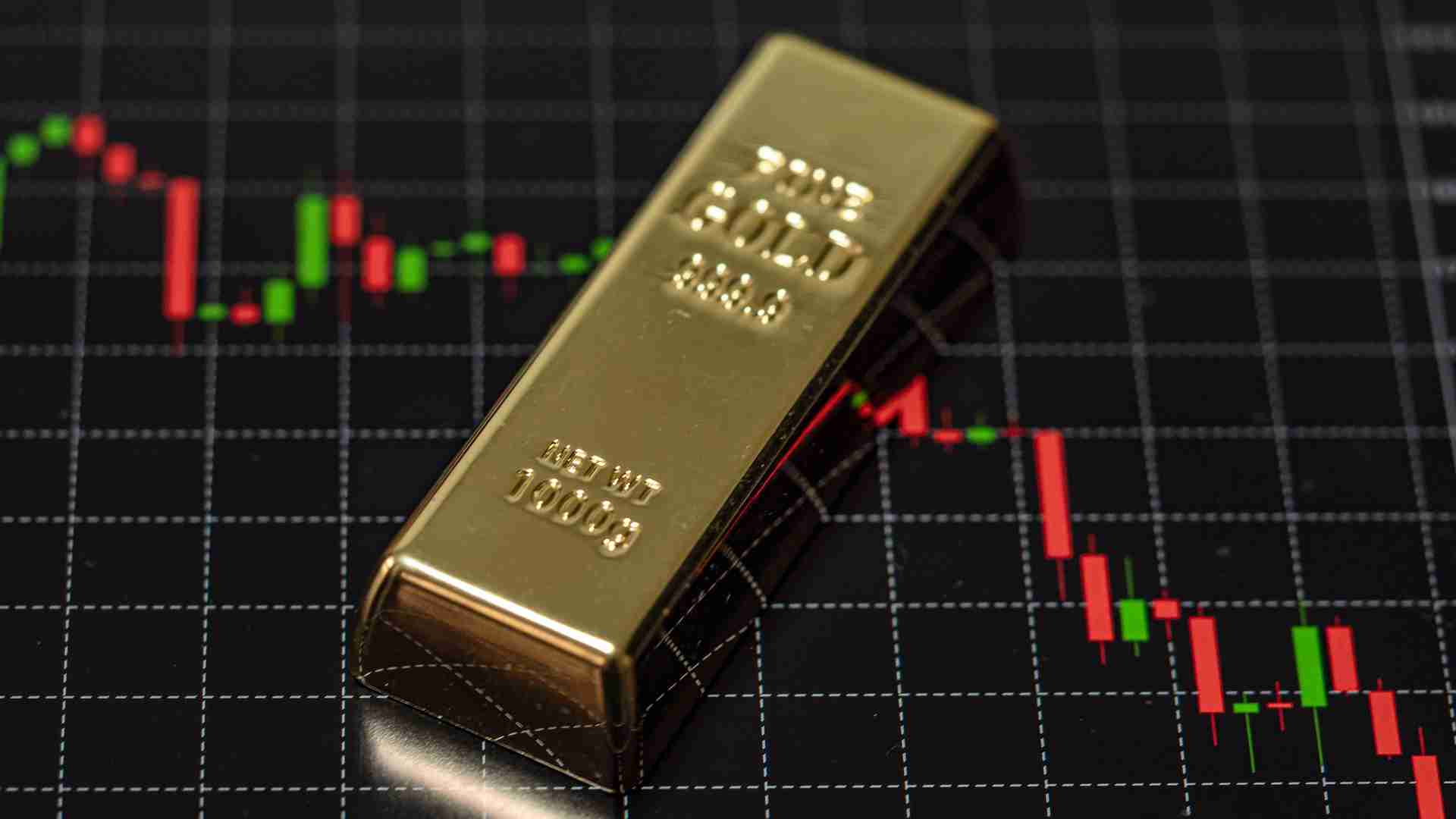
Gold price today slipped toward $4,580 as investors awaited the Fed Chair’s Jackson Hole speech for signals on inflation and US interest rates.

Solana price jumped 9% above $110, reaching its highest level since January as traders tracked a vote that could cut future SOL issuance by 18.9 million tokens.
Nvidia stock surged 8.7%, adding $442 billion in market value after blowout earnings and a bullish AI revenue outlook lifted technology shares.

Marvell stock fell over 6% after hours despite strong Q2 results as investors questioned margins and the timing of revenue from its Google deal.
NVIDIA stock closed 8.74% higher after fiscal Q2 revenue doubled and management projected about 70% growth for fiscal 2028, despite margin and China risks.

NVIDIA’s fiscal Q2 2027 revenue doubled to $96.2 billion as AI Data Center demand surged. Review its $108 billion outlook, stock reaction and key risks.

CrowdStrike stock surges over 10% after record Q2 ARR, stronger revenue and earnings, and raised FY27 guidance as AI security demand accelerates globally.
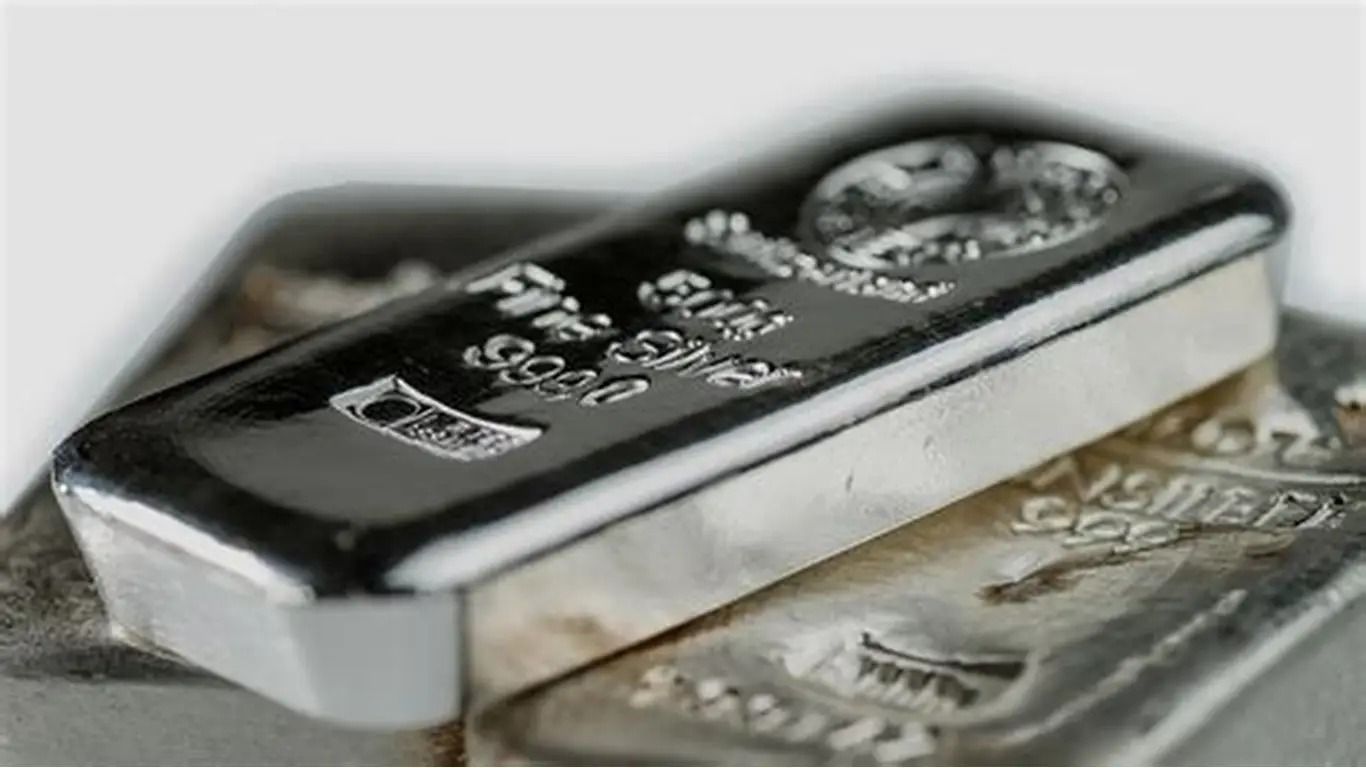
Silver rises towards $70 as US fiscal concerns and dollar-debasement fears support precious metals ahead of Fed Chair Kevin Warsh’s Jackson Hole speech.

Gold price today rebounds above $4,620 as traders assess US inflation, Treasury yields and Fed Chair Kevin Warsh’s pivotal Jackson Hole speech on Friday.

XRP falls towards $1.41 as leveraged positions unwind. ETF inflows remain positive, while $1.35 emerges as the key support level to watch.

Bitcoin falls near $78,700 despite eight consecutive days of ETF inflows, as profit-taking and resistance around $80,000 slows the rally.

Bitcoin rises above $80,000 as Treasury bond buybacks weaken the dollar, revive the debasement trade and lift institutional crypto demand across markets.

WTI crude falls more than 2.6% towards $80.20, as Iran–Oman talks raise hopes for a Hormuz shipping corridor and US inventory data adds selling pressure.
Nvidia stock rose 2.19% to $213.05 before fiscal Q2 earnings, with markets watching Rubin demand, margins, China sales and a possible $280bn swing.
Salesforce stock faces a key Q2 test as investors watch revenue, EPS, cRPO, Agentforce adoption and fiscal 2027 guidance for its next major move this week.

Gold price today holds near $4,650 after a three-month high as markets await US PCE inflation data and signals from Fed Chair Kevin Warsh this week.
AMD and Nvidia shares rise before Nvidia’s Q2 FY2027 earnings as markets assess AI demand, Intel’s Pelosi-linked filing and key guidance risks.